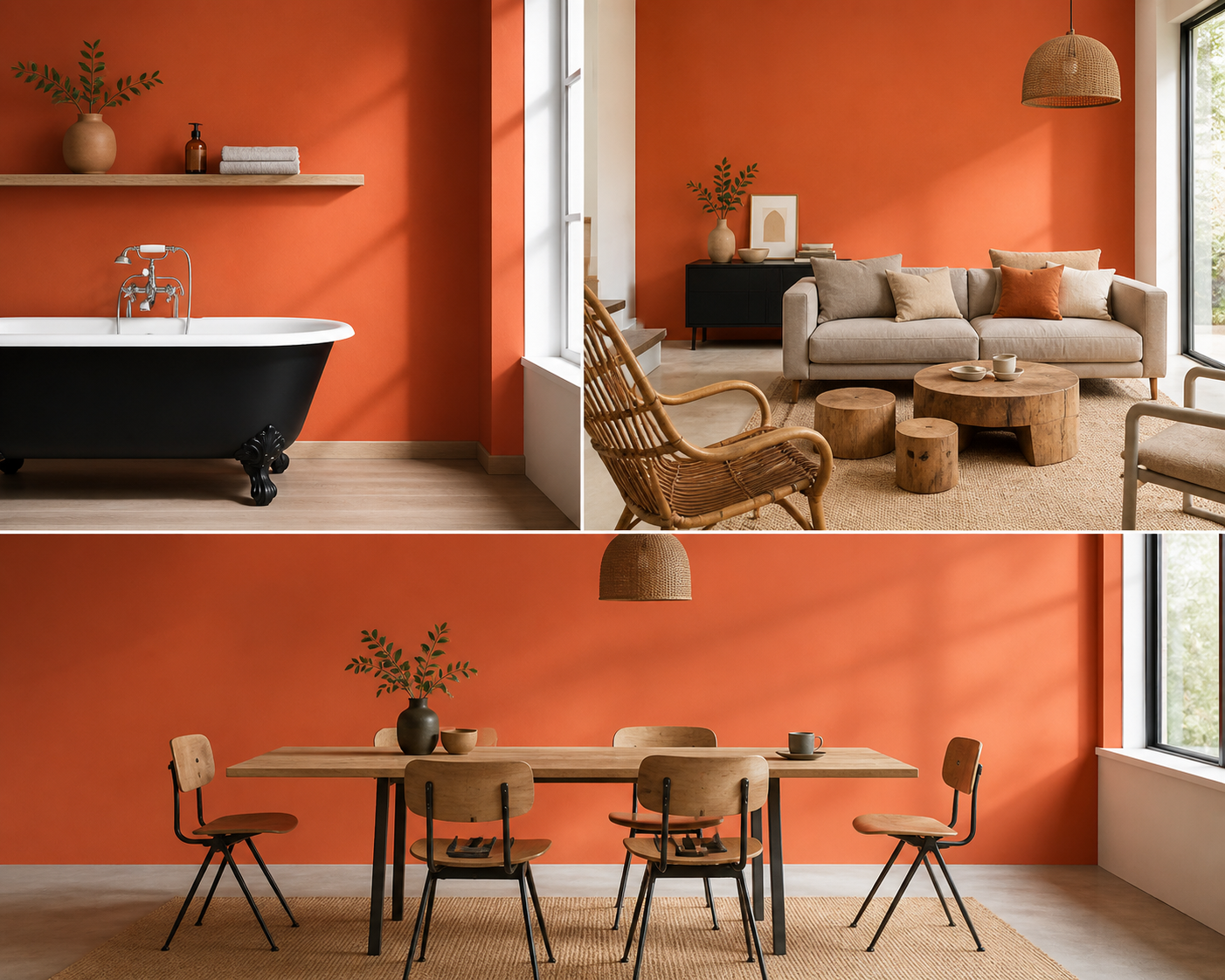

Travertino Stucco is a traditional Italian lime plaster that has been in widespread use throughout Italy since the Renaissance. In more recent times, the plaster has seen growing popularity across the world including Nigeria.
One of the things that make Travertino Stucco unique compared to other lime plasters is that it is often used to create pitted finishes that look worn and aged.
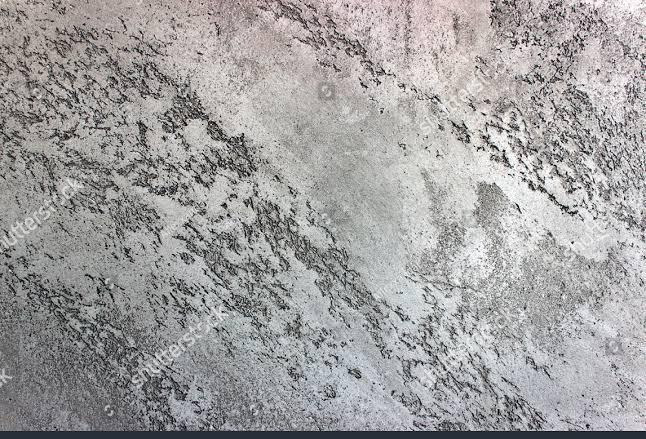
This is achieved by applying a layer of the stucco to the surface, and then carefully dabbing it with a rough tool, like a sponge.
Before the stucco has a chance to set, it is smoothed over with a trowel to create an effect that is both smooth to touch, but that has the aged appearance that is so desirable with this kind of plaster. Despite the popularity of the aged, pitted look, it is also possible to achieve other styles with Travertino, such as smooth, dragged, and faux-brick cladding.
Another popular use of Travertino in modern times is as a multi-part finish to a surface For example, rather than having an entire wall be the same finish, a plasterer might have the upper and lower parts of the wall be smooth, while the middle section is pitted. This helps to add detail to the wall and generally make an area a little more interesting.
Producing Travertino paint (or paste) involves mixing a specialized textured plaster that mimics the look and feel of natural travertine marble or rough stone. Because of its thickness, it is generally produced as a heavy-bodied putty rather than a liquid paint.
Travertino can be pigmented to get a range of different colors, of course. But it is the physical texture that makes this plaster so appealing.

Essential MaterialsTo create the base mixture, you will need:
Filler: Fine marble dust (calcium carbonate) or fine silica sand to give the plaster its stone-like texture.
Binder: Acrylic resin or clear acrylic emulsion (to ensure the mixture adheres to the wall and remains flexible).
Thickener: Nitrosol or Natrosol to control the viscosity.
Opacifier: Titanium dioxide (for a bright white base).
Additives: Defoamer, coalescing agents (like Texanol), and preservatives (like formaldehyde/bioxide).
Solvent: Clean, soft water.
Material needed:
Water XL
Caco3 Xkg
Powered marble Xkg
Titan Xkg
Nat Xg
Acticide Xg
Acrylic Xkg
Texanol 100g
Dop 100g
Genepur 100g
Defoamer 200g
Bermadol Xg
Ammonia 50g
NOTE: Our Travertino paint full formulation cost N30,000 pay into the account below and chat 08039316369 on WhatsApp to downloa your ebook:
Account number: 5727657112
Account name: Eminent Impex Resources Ltd
Bank name: Moniepoint
Production process
Add water to your vessel and put on your agitator, add bermacol/natrosol and stir.
Then add your, caco3 and keep stirring for 15 – 20min, add genepor and mix, you can then add your defaomer. Predisperse your Nat and add to the vessel and mix homogeneously.
Then add ammonia run 10min, DOP, texanol and mix. Add half of your acrylic and then add anticide mix properly.
Then add your powered marble (it is finer than the normal smooth dust) and mix thoroughly.
Then add the remaining acrylic to bind the marble used. Mix properly. If a desired color is needed, you can shade it at the beginning of your production.

Leave a comment
Your email address will not be published. Required fields are marked *